
Missouri’s Million-Dollar Protection: Your Safety Net in Every Ride
If you’ve ever wondered what happens if you’re injured in an Uber or Lyft accident in Missouri, you’re not alone. The state’s $1 million insurance requirement for rideshare companies represents one of the strongest passenger protection laws in the nation. This rule, which took effect on April 1, 2017, fundamentally changed how accident victims can recover compensation after rideshare crashes. Understanding this coverage isn’t just about knowing the law—it’s about protecting yourself and your family when you rely on rideshare services for transportation.
💡 Pro Tip: Always screenshot your ride details (driver name, vehicle info, and trip route) before starting your journey—this documentation becomes crucial evidence if an accident occurs.
Navigate the complexities of Missouri’s rideshare insurance laws with confidence. Halvorsen Klote Davis is here to help you turn these protective measures into the compensation you deserve. Reach out today at 314-408-3043 or contact us to get started on the path to recovery.
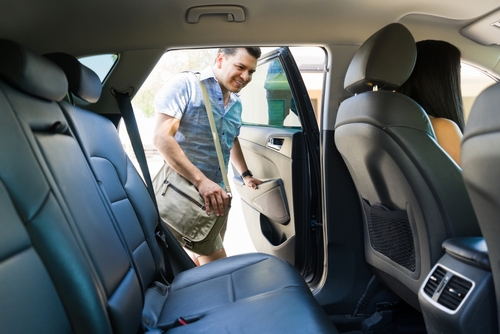
Understanding Your Rights When Rideshare Accident Attorneys in St. Louis Can Help
Missouri law requires all transportation network companies to carry primary automobile liability insurance of at least $1,000,000 for death, bodily injury, and property damage while drivers are engaged in prearranged rides. This coverage applies from the moment your driver accepts your ride request until you exit the vehicle. Unlike personal auto insurance policies that may exclude rideshare activities, this mandatory coverage cannot be conditioned on your driver’s personal insurer first denying a claim. The insurance must provide coverage "beginning with the first dollar" and defend any claims that arise.
💡 Pro Tip: If you’re injured in a rideshare accident, don’t accept any settlement offers from insurance companies before consulting with rideshare accident attorneys in St. Louis who understand the full value of your claim under Missouri’s protective laws.
The Three Phases of Rideshare Coverage: What You Need to Know
Missouri rideshare insurance requirements vary based on the driver’s activity status, creating three distinct coverage periods that directly impact your rights as a passenger or accident victim. Understanding these phases helps clarify when different insurance limits apply and who bears responsibility for damages.
- Phase 1 – App On, Waiting for Riders: Minimum coverage of $50,000 per person, $100,000 per incident for bodily injury, and $25,000 for property damage applies when drivers are logged in but haven’t accepted a ride
- Phase 2 – Ride Accepted, En Route to Passenger: The full $1 million coverage kicks in once a driver accepts your ride request, even before they pick you up
- Phase 3 – Passenger in Vehicle: The $1 million coverage continues throughout your entire trip until you safely exit at your destination
- Critical Detail: Unlike many states, Missouri requires this to be primary coverage, meaning the rideshare company’s insurance pays first without waiting for the driver’s personal policy to deny the claim
💡 Pro Tip: If an accident occurs during your ride, immediately document which phase you were in—this determines the available insurance coverage and can significantly impact your compensation.
Maximizing Your Protection Under Missouri’s Rideshare Laws
When rideshare accidents happen, having $1 million in available coverage means victims have a real chance at full compensation for medical bills, lost wages, and pain and suffering. The team at Halvorsen Klote Davis has extensive experience navigating these complex insurance claims and ensuring accident victims receive every dollar they deserve under Missouri’s protective laws. Because rideshare companies must maintain this coverage and defend claims from the first dollar, victims don’t face the typical runaround of determining which insurance company pays first. Rideshare accident attorneys in St. Louis can leverage these requirements to expedite your claim and maximize your recovery.
💡 Pro Tip: Missouri’s rideshare laws require TNCs to notify drivers about insurance coverage, but many drivers remain unaware—always verify coverage exists before assuming you’re protected.
Common Scenarios Where Missouri’s $1M Coverage Protects You
Understanding how Missouri rideshare insurance requirements apply in real-world situations helps accident victims recognize their rights and take appropriate action. The $1 million coverage requirement protects passengers in various accident scenarios, from minor fender-benders to catastrophic collisions. Working with experienced St. Louis rideshare accidents attorney ensures you understand which coverage applies to your specific situation.
Multi-Vehicle Collisions and Complex Claims
When rideshare accidents involve multiple vehicles, determining liability becomes complex. Missouri’s requirement that TNC insurance serve as primary coverage simplifies the claims process for victims. Rather than waiting for multiple insurance companies to determine fault percentages, the rideshare company’s $1 million policy must respond immediately. This accelerated coverage particularly benefits severely injured victims who need immediate medical treatment and cannot afford delays while insurers point fingers at each other.
💡 Pro Tip: In multi-vehicle accidents, photograph all vehicles involved and gather contact information from every driver—Missouri rideshare accidents lawyer teams use this evidence to pursue claims against all responsible parties.
What Rideshare Companies Don’t Want You to Know
While rideshare companies comply with commercial ride-sharing insurance regulations, they often downplay passenger rights after accidents. Many victims don’t realize that Missouri law specifically prevents TNCs from making their coverage contingent on personal insurance denials. This means faster claim resolution and fewer coverage disputes. Understanding these protections empowers accident victims to demand fair treatment from insurance adjusters.
Hidden Coverage Exclusions and Limitations
Despite Missouri’s strong passenger protections, rideshare insurance policies still contain exclusions that can surprise accident victims. For instance, if your driver was violating TNC policies at the time of the accident—such as having unauthorized passengers or using the vehicle for non-rideshare purposes—coverage complications may arise. Additionally, while the law requires $1 million in coverage, this amount must cover all injured parties in an accident, potentially limiting individual recoveries in crashes with multiple victims.
💡 Pro Tip: Always report accidents to both the rideshare company through their app and to law enforcement—official documentation prevents companies from later claiming the accident didn’t occur during covered activities.
Frequently Asked Questions
Understanding Your Rights After a Rideshare Accident
Missouri’s rideshare laws create important protections, but accident victims often have questions about how these rules apply to their specific situations. These answers address the most common concerns faced by rideshare accident victims.
💡 Pro Tip: Keep a written record of all communications with insurance companies and rideshare platforms—this documentation helps your attorney build a stronger case for maximum compensation.
Next Steps After Your Rideshare Accident
Taking the right steps immediately after a rideshare accident protects your legal rights and strengthens your insurance claim. Understanding the process helps victims avoid common mistakes that could reduce their compensation.
💡 Pro Tip: Missouri law requires rideshare drivers to carry proof of coverage, so always ask to see insurance documentation at the accident scene if you’re able to do so safely.
1. How quickly must I file a claim under Missouri rideshare accidents laws?
While Missouri’s statute of limitations for personal injury claims is generally five years, rideshare insurance policies often require much faster notification. Most TNCs require accident notification within 24-48 hours through their app. Delaying your claim could jeopardize your coverage, even though the $1 million policy should apply. Contact both the rideshare company and an attorney immediately to preserve all your rights.
2. Can I still recover compensation if my Missouri Lyft accident lawyer discovers the driver’s app was off?
If the rideshare app was completely off, the $1 million TNC coverage won’t apply, but you’re not without options. The driver’s personal auto insurance becomes the primary coverage source, though it may exclude rideshare activities. Missouri law requires drivers to disclose their rideshare status after accidents, helping determine which insurance applies. An experienced attorney can pursue all available coverage sources.
3. What if my medical bills exceed the $1 million in rideshare insurance claims St. Louis coverage provides?
While $1 million sounds substantial, severe accidents can generate higher costs. Additional recovery sources may include the at-fault driver’s personal assets, your own underinsured motorist coverage, or claims against other negligent parties like vehicle manufacturers or road maintenance entities. Thoroughly investigating all coverage sources maximizes your total recovery potential.
4. How do Missouri rideshare laws differ from regular auto accident claims?
Missouri’s rideshare laws create unique advantages for accident victims. The primary coverage requirement means no waiting for personal insurance denials. The $1 million minimum far exceeds Missouri’s standard auto insurance minimums of $25,000 per person. Additionally, TNCs must provide coverage "from the first dollar," eliminating common insurance company delay tactics.
5. Should I accept the rideshare company’s initial settlement offer for rideshare accident compensation St. Louis?
Initial settlement offers rarely reflect your claim’s full value. Insurance adjusters know most accident victims don’t understand Missouri’s $1 million coverage requirement or how to calculate future medical expenses, lost earning capacity, and pain and suffering damages. Before accepting any offer, consult with an attorney who can evaluate whether the proposed settlement fairly compensates your injuries under Missouri’s protective rideshare laws.
Work with a Trusted Rideshare Accidents Lawyer
Missouri’s $1 million rideshare insurance requirement provides crucial protection, but navigating these claims requires understanding both state law and TNC policies. The right legal representation ensures you receive full compensation under these protective laws. When selecting a St. Louis rideshare injury attorney, choose a firm with proven experience handling complex insurance claims and a track record of maximizing client recoveries. Your attorney should understand not just the law’s requirements but also how insurance companies try to minimize payouts despite the substantial coverage available. By working with knowledgeable legal counsel, you transform Missouri’s protective rideshare laws from abstract requirements into real compensation for your injuries and losses.
Get a handle on Missouri’s $1M rideshare coverage with the dedicated folks at Halvorsen Klote Davis. Don’t let complexities keep you from the compensation you deserve. Give us a shout at 314-408-3043 or just contact us to start paving your path to recovery.