When Your Safe Ride Home Becomes a Nightmare
You called a rideshare specifically to avoid drunk driving, but what happens when your driver is the one who’s been drinking? Missouri’s zero-tolerance laws create strict standards for young drivers, and state BAC limits apply to all motorists, including those operating for Uber and Lyft, yet rideshare accidents involving intoxicated drivers still occur throughout the state. The administrative license suspension process becomes effective 15 days after the arrest when a rideshare driver tests at or above .08 BAC, triggering at least a 90-day suspension for first-time offenders. This independent administrative process runs separately from any criminal charges, meaning your rideshare driver faces immediate administrative consequences on a quick timeline even before their court date.
💡 Pro Tip: Always trust your instincts – if you suspect your rideshare driver has been drinking, cancel the ride immediately and report them through the app. Your safety is worth more than any cancellation fee.
Facing the aftermath of a rideshare accident with an intoxicated driver can be daunting. At Halvorsen Klote Davis, we’re here to support you through every step. Discover how we can help you secure the compensation you deserve—reach out at 314-451-1314 or simply contact us today to explore your options.
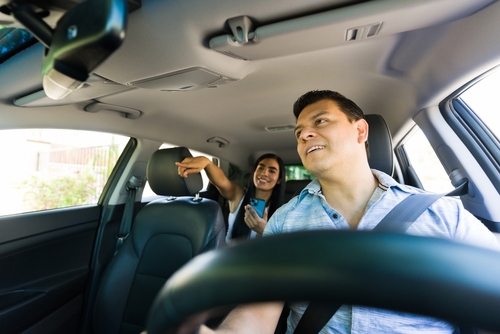
Missouri’s Strict BAC Laws and How Rideshare Accident Attorneys in St. Louis Can Help
Missouri follows NHTSA guidelines establishing .08 grams per deciliter as the illegal BAC limit for operating any vehicle, including rideshare vehicles. This per se law makes it automatically illegal to drive at or above this level, regardless of whether the driver appears impaired. Missouri’s zero-tolerance policy sets an even stricter standard at .02 BAC for drivers under 21; however, rideshare drivers in Missouri must be at least 25 years old for companies like Uber and Lyft, so the .02 limit does not apply to them and rideshare drivers are subject to the standard .08 BAC limit. When rideshare accident attorneys in St. Louis review cases, they often find that administrative penalties have already been imposed based solely on the law enforcement officer’s report, creating a paper trail that strengthens passenger injury claims.
Missouri law enforcement agencies must submit uniform traffic accident reports to the STARS system for all crashes involving death, personal injury, or property damage of $500 or more. This comprehensive reporting system includes specific tracking for drinking involvement, providing rideshare accident attorneys in St. Louis with valuable data when building cases for injured passengers. The Missouri Department of Transportation tracks alcohol-involved crashes through the STARS system but does not publish specific data on rideshare-related crashes with alcohol involvement; national research indicates ridesharing has reduced alcohol-related traffic fatalities by approximately 6%, and Missouri has seen a decrease in alcohol-impaired fatalities over the past 10 years, making proper documentation and legal representation still critical for injured passengers.
💡 Pro Tip: Missouri’s administrative license suspension process creates an official record that can be crucial evidence in civil lawsuits – even if criminal charges are reduced or dismissed, the administrative determination stands independently.
What Happens After a Rideshare Driver Fails a BAC Test
Understanding the timeline of administrative and legal consequences helps injured passengers know what to expect. The process moves quickly once a rideshare driver is arrested upon probable cause for driving while intoxicated. Working with rideshare accident attorneys in St. Louis becomes crucial during this time-sensitive period, as evidence must be preserved and claims initiated within Missouri’s statute of limitations.
- Immediate arrest and BAC testing when probable cause exists – rideshare status doesn’t provide any exemption from standard DWI procedures
- Department of Revenue reviews the officer’s report and makes an administrative determination, typically within days of the arrest
- License suspension or revocation begins 15 days after arrest unless the driver requests a hearing – minimum 90 days for first offense at .08 BAC or higher
- Law enforcement officers must submit crash reports to the STARS system within 10 days after their investigation, creating searchable crash data that includes drinking involvement markers specific to the incident location. (The Online Traffic Crash Reports tool allows searches for crashes that occurred in the past 29 days.)
- Criminal prosecution proceeds independently – even acquittal doesn’t reverse administrative penalties already imposed
💡 Pro Tip: Missouri’s Online Traffic Crash Reports tool lets you search for crashes investigated by MSHP in the past 29 days – if you were in a rideshare accident, check this system to see if drinking involvement was noted in the official report.
Protecting Your Rights After a Rideshare Accident with an Intoxicated Driver
When a rideshare driver violates Missouri’s alcohol-related laws, passengers have strong grounds for compensation claims. The RSMo Section 302.505 is a general administrative license suspension statute that applies to all drivers, including rideshare drivers, who are arrested upon probable cause for driving with a BAC at or above .08% (or .02% for drivers under 21). It triggers administrative consequences through the Missouri Department of Revenue, including license suspension or revocation. While administrative determinations can be used as evidence in civil cases, the statute itself does not create civil consequences or establish special standards specifically for rideshare companies. Rideshare accident attorneys in St. Louis understand how to leverage these administrative findings, using the administrative suspension as evidence of negligence per se in civil cases. Halvorsen Klote Davis has extensive experience handling complex rideshare accident cases where driver intoxication played a role, understanding both the unique insurance coverage issues and the enhanced damages available when commercial drivers violate safety standards.
The firm recognizes that rideshare accidents involve multiple insurance policies and jurisdictional complexities that don’t exist in standard car accident cases. Their proven track record includes securing compensation not just from intoxicated drivers but also pursuing claims against rideshare companies for negligent hiring, retention, and supervision when drivers with histories of violations slip through background checks. This comprehensive approach ensures injured passengers receive full compensation for medical expenses, lost wages, and the trauma of being endangered by someone they trusted for safe transportation.
💡 Pro Tip: Document everything immediately after a rideshare accident – take screenshots of your ride details, driver information, and route before the app updates. This digital evidence can disappear quickly if not preserved.
Administrative Penalties vs. Criminal Charges: Understanding the Dual System
Missouri’s dual-track system for handling intoxicated drivers creates unique advantages for rideshare accident victims. The administrative process operates through the Department of Revenue and focuses solely on license sanctions, while criminal prosecution handles potential jail time and fines. For a Missouri rideshare accidents lawyer building your case, this separation means evidence of impairment exists in two independent systems, strengthening your position during settlement negotiations or trial.
Why Administrative Determinations Matter in Civil Cases
The administrative determination process relies on objective evidence – the officer’s report and BAC test results – without requiring proof beyond a reasonable doubt. This lower burden of proof means administrative suspensions often stick even when criminal charges face challenges in court. A St. Louis rideshare safety attorney can use this administrative finding as powerful evidence that the rideshare driver violated their duty of care, essentially establishing negligence without needing to reprove intoxication in civil court. The NHTSA Impaired Driving Guidelines specifically recommend this administrative process because it provides swift, certain consequences that protect public safety.
💡 Pro Tip: Request a copy of the administrative hearing transcript if one was held – rideshare drivers often admit facts during these hearings that can be invaluable in your civil case.
Enhanced Protections for High-BAC Rideshare Incidents
Missouri recognizes that drivers with BAC levels at .15 or greater pose exponentially higher risks, implementing enhanced sanctions for these high-BAC offenses. When rideshare drivers reach these dangerous levels, it often indicates chronic alcohol abuse that rideshare companies should have detected through proper screening. A Missouri rideshare driver policy lawyer can investigate whether the rideshare company followed its own safety protocols and whether previous warning signs were ignored, potentially establishing a pattern of negligence beyond the single incident.
Rideshare Companies’ Duty to Screen and Monitor Drivers
Unlike traditional taxi services with strict municipal oversight, rideshare companies operate under a patchwork of state laws and self-imposed policies. Missouri’s requirement for mandatory BAC testing in fatal crashes ensures evidence preservation, but non-fatal accidents may rely on officer discretion unless probable cause exists. This gap in mandatory testing makes it crucial to work with a Missouri rideshare intoxication laws attorney who knows how to obtain testing records, review driver histories through STARS accident involvement reports, and identify patterns of dangerous behavior. The Traffic Crash Online Mapping system can reveal if a driver has been involved in previous incidents in specific areas, information rideshare companies should monitor but often miss.
💡 Pro Tip: Missouri’s STARS system includes a specific "Drinking Involvement" report type – your attorney can access historical data showing patterns of alcohol-related incidents that might establish negligent retention claims against rideshare companies.
Frequently Asked Questions
Understanding Your Rights as a Rideshare Passenger
Many riders don’t realize they have enhanced protections when using rideshare services compared to riding with friends or family members. These commercial transportation services carry higher insurance limits and face stricter liability standards.
💡 Pro Tip: Save all electronic receipts and ride data immediately – rideshare companies may limit access to historical ride information after accidents occur.
Taking Action After a Rideshare Accident
Time limits apply to both insurance claims and lawsuits following rideshare accidents. Missouri’s statute of limitations creates strict deadlines that can bar recovery if missed, making prompt legal consultation essential.
💡 Pro Tip: Never give recorded statements to insurance companies without legal representation – rideshare insurers often use these statements to minimize or deny valid claims.
1. What makes rideshare accident cases different when the driver is intoxicated?
Intoxicated rideshare drivers face both administrative license sanctions and potential criminal charges, creating multiple sources of evidence for your civil claim. Missouri rideshare accidents laws treat these commercial drivers more strictly than regular motorists, and violations of zero-tolerance policies can establish negligence per se. Additionally, rideshare companies may face liability for inadequate background checks or failing to detect signs of driver impairment.
2. How does Missouri’s zero-tolerance policy protect riders under 21?
Missouri’s zero-tolerance law sets a .02 BAC limit for all drivers under 21. However, this law does not apply to rideshare drivers because both Uber and Lyft require drivers in Missouri to be at least 25 years old. Rideshare drivers in Missouri are subject to the standard .08 BAC limit that applies to drivers 21 and older.
3. Can I sue both the driver and the rideshare company?
Yes, Missouri rideshare accidents lawsuit options often include claims against both parties. The driver faces direct liability for intoxicated driving, while the rideshare company may be liable under theories of vicarious liability, negligent hiring, or inadequate supervision. A St. Louis rideshare accidents attorney can evaluate which defendants to pursue based on insurance coverage and assets available for recovery.
4. What if the rideshare driver refuses a BAC test?
Missouri’s implied consent laws apply to rideshare drivers just like any other motorist. Refusal to submit to BAC testing triggers automatic license revocation, often longer than suspension for failing a test. This refusal itself can be used as evidence of consciousness of guilt in your civil case, strengthening claims for punitive damages.
5. How quickly do I need to act after a rideshare accident?
Immediate action protects your rights and preserves crucial evidence. Missouri’s Online Traffic Crash Reports are only available for 29 days, and rideshare companies may delete driver data after short retention periods. Contact rideshare accident attorneys in St. Louis promptly to ensure all electronic evidence, witness statements, and official reports are properly preserved for your case.
Work with a Trusted Rideshare Accidents Lawyer
When Missouri’s zero-tolerance laws fail to prevent an intoxicated rideshare driver from endangering passengers, victims need strong legal representation to navigate the complex web of insurance policies, administrative procedures, and civil claims. Understanding how administrative license suspensions interact with criminal prosecutions and civil liability requires extensive experience with Missouri’s traffic safety laws and rideshare company policies. The intersection of state regulations, company policies, and insurance coverage creates unique challenges that demand thorough knowledge of both traditional personal injury law and emerging rideshare liability theories. Victims deserve compensation not just for their physical injuries but for the violation of trust that occurs when a supposedly safe ride home becomes a traumatic experience.
After experiencing a rideshare mishap in Missouri, navigating the legal waters can feel overwhelming. Let the team at Halvorsen Klote Davis guide you through the process with a steady hand. Feel free to reach out at 314-451-1314 or contact us to learn more about securing the compensation you deserve.