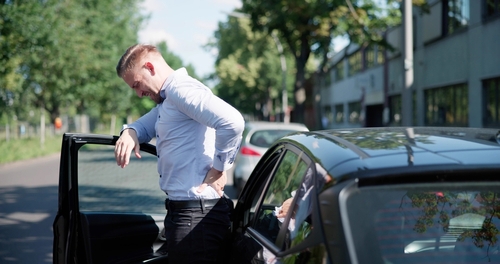
When Your Rideshare Journey Takes an Unexpected Turn
Stepping into a St. Louis rideshare vehicle, you expect safe transportation, but what happens when poorly maintained brakes fail or worn tires cause an accident? Missouri law provides specific protections for rideshare passengers injured due to inadequate vehicle maintenance, though navigating complex relationships between drivers, rideshare companies, and state regulations proves challenging. Missouri statute RSMo §387.400 defines how Transportation Network Companies (TNCs) operate, explicitly stating that a TNC "shall not be deemed to own, control, direct, operate, or manage the TNC vehicles or TNC drivers." This legal framework shapes liability when maintenance issues cause injuries, creating unique challenges and opportunities for passengers seeking compensation after accidents caused by vehicle defects.
💡 Pro Tip: Document everything immediately after a rideshare accident – take photos of visible vehicle damage, worn tires, or any maintenance issues you notice, and screenshot your ride details before they disappear from the app.
Take control of your rights and hold negligent parties accountable for rideshare maintenance failures. Connect with Halvorsen Klote Davis for dedicated guidance tailored to your needs. Reach out at (314) 451-1314 or contact us today to chart the course towards justice.

Understanding Your Rights as a Rideshare Passenger in Missouri
Missouri law recognizes that rideshare passengers deserve protection when vehicle maintenance failures cause accidents, though the legal landscape differs from traditional taxi services. The state requires all TNCs operating in Missouri to obtain a business license from the Department of Revenue‘s Motor Vehicle Bureau since August 28, 2017, which applies to every rideshare company serving St. Louis passengers. This licensing framework establishes baseline accountability, though the statute carefully distances TNCs from direct vehicle ownership. When maintenance-related accidents occur, passengers can pursue claims against multiple parties – the driver who failed to maintain their vehicle, the driver’s insurance company, and potentially the rideshare company under circumstances where their oversight or policies contributed to the dangerous condition.
💡 Pro Tip: Missouri’s definition of a "prearranged ride" begins when a TNC driver accepts your ride request through the digital network – this timing matters because it determines which insurance policies apply and what legal protections you have as a passenger.
The Path from Accident to Resolution: What St. Louis Passengers Should Expect
Pursuing a maintenance-related rideshare injury claim in St. Louis follows a structured timeline that begins the moment your accident occurs and can extend several months or longer depending on case complexity. The process starts with immediate medical attention and accident documentation, followed by insurance notifications, investigation phases spanning weeks, and potential litigation if fair settlements cannot be reached. Understanding each phase helps passengers make informed decisions while protecting their rights.
- Immediate response (0-24 hours): Seek medical care, report to police, document scene, preserve ride information
- Initial claim phase (1-30 days): File insurance claims, gather medical records, identify all potentially liable parties
- Investigation period (30-90 days): Insurance adjusters investigate, maintenance records requested, liability determinations made
- Negotiation stage (90-180 days): Settlement discussions begin, medical treatment continues, damages calculated
- Litigation phase (6+ months): If necessary, lawsuit filed, discovery conducted, trial preparation begins
Securing Fair Compensation with Skilled Legal Guidance
Successfully resolving a rideshare maintenance liability case requires understanding both Missouri’s specific TNC regulations and traditional personal injury law principles. While rideshare companies often assert they bear no responsibility for vehicle maintenance under Missouri’s statutory framework, experienced rideshare accident attorneys in St. Louis know how to identify exceptions and build compelling cases for passenger compensation. The team at Halvorsen Klote Davis brings extensive experience handling complex rideshare cases, understanding how to navigate the interplay between state licensing requirements, insurance coverage disputes, and driver liability issues. Their approach involves thorough investigation of maintenance records, analysis of rideshare company policies, and strategic pursuit of all available compensation sources to maximize recovery for injured passengers.
💡 Pro Tip: Keep all medical appointments and follow your doctor’s treatment plan completely – gaps in treatment can be used to minimize your injury claims, even when vehicle maintenance clearly caused the accident.
Critical Factors That Strengthen Your Maintenance-Related Injury Claim
Building a strong case for compensation after a rideshare accident caused by poor vehicle maintenance requires attention to specific legal and factual elements that Missouri courts consider. The distinction between independent contractor drivers and employee relationships becomes crucial, as does evidence showing the rideshare company knew or should have known about systematic maintenance failures among their driver fleet.
Proving Maintenance Negligence in Missouri Courts
Establishing that inadequate maintenance caused your injuries involves more than showing a vehicle component failed – Missouri law requires demonstrating that the responsible party breached their duty of care. This includes evidence that a driver ignored obvious maintenance needs, failed to address known defects, or violated rideshare company vehicle standards. In some cases, rideshare companies may face liability if their inspection processes were inadequate or if they continued allowing unsafe vehicles despite complaints. The key lies in connecting specific maintenance failures to your injuries through expert testimony and thorough documentation.
💡 Pro Tip: Request the vehicle’s maintenance history through your attorney during discovery – patterns of neglect or deferred repairs can significantly strengthen your case and may reveal previous safety complaints.
Insurance Coverage Complexities in Rideshare Maintenance Cases
Navigating insurance coverage for maintenance-related rideshare accidents presents unique challenges that differ from standard auto accident claims. Missouri’s regulatory framework requires specific insurance coverages during different phases of rideshare operations, but maintenance-related claims can fall into coverage gaps that require careful legal analysis.
When Multiple Insurance Policies Apply
Rideshare accidents involving maintenance failures often trigger multiple insurance policies – the driver’s personal auto insurance, commercial rideshare coverage, and the TNC’s liability policy. The timing of when Missouri law considers a “prearranged ride” to begin determines which policies are primary. Under the industry’s three-period framework, TNCs provide up to $1 million in primary commercial liability coverage during Periods 2 and 3 – from the moment a driver accepts a ride request through passenger drop-off – while Period 1 coverage (app on, awaiting a match) remains substantially more limited. Additionally, if maintenance negligence extends to repair shops or parts manufacturers, product liability insurance may create additional avenues for recovery that experienced attorneys can pursue.
Frequently Asked Questions
Common Legal Concerns for Injured Rideshare Passengers
Understanding your rights after a maintenance-related rideshare accident raises numerous questions about liability, compensation, and the legal process. These answers address the most common concerns St. Louis rideshare accident victims face when vehicle maintenance failures cause injuries.
💡 Pro Tip: Write down all your questions before meeting with an attorney – even seemingly minor concerns about your accident can reveal important legal issues affecting your case value.
Navigating the Legal Process After Your Accident
The path from accident to resolution involves multiple steps, each with important deadlines and requirements under Missouri law. Understanding what to expect helps injured passengers make informed decisions throughout their case.
1. Can I sue both the rideshare driver and company for maintenance failures in Missouri?
Yes, Missouri law allows passengers to pursue claims against multiple parties, though the rideshare company’s liability depends on specific circumstances. While Missouri statute states TNCs don’t control or manage vehicles, exceptions may apply if company policies contributed to maintenance failures or if they negligently retained unsafe drivers. A Missouri rideshare accidents attorney can evaluate whether the company’s actions created liability beyond the driver’s direct negligence.
2. What if the rideshare driver claims they just had their vehicle inspected before my accident?
Recent inspections don’t automatically absolve drivers of maintenance liability under Missouri law. Inspection records must be scrutinized – did the inspection actually occur, was it comprehensive, were identified issues addressed? Sometimes inspections reveal problems that drivers ignore. Your St. Louis rideshare accidents lawyer can subpoena inspection records and investigate whether proper maintenance standards were met.
3. How do Missouri rideshare passenger rights differ from regular car accident passenger rights?
Rideshare passengers enjoy specific protections under Missouri’s TNC regulations, including mandatory insurance coverage during prearranged rides. The main difference involves the complex relationship between drivers, TNCs, and insurance carriers. Unlike traditional taxi services, rideshare companies operate under RSMo §387.400’s framework, which affects liability allocation. However, passengers maintain the same fundamental right to compensation for injuries caused by negligence.
4. What timeline should I expect for my rideshare vehicle maintenance lawsuit in St. Louis?
Maintenance-related rideshare cases in St. Louis typically take 6-18 months to resolve, though complex cases involving severe injuries or disputed liability may extend longer. Initial insurance claims usually receive responses within 30-60 days, but if litigation becomes necessary, Missouri court schedules and discovery requirements add several months. Cases involving multiple defendants or significant damages often require more time to achieve fair resolution.
5. Should I accept the rideshare company’s initial settlement offer for my maintenance-related injuries?
Initial settlement offers rarely reflect the full value of maintenance-related injury claims, particularly before understanding the complete extent of injuries and future medical needs. Missouri law allows you to consult with rideshare accident attorneys before accepting any offer, and doing so typically results in significantly higher compensation. Never sign anything waiving your rights without first understanding how the offer compares to similar cases and whether it adequately covers all damages.
Work with a Trusted Rideshare Accidents Lawyer
When vehicle maintenance failures cause rideshare accidents in St. Louis, passengers need attorneys who understand both Missouri’s unique TNC regulations and the practical realities of proving maintenance negligence. The intersection of state licensing requirements, statutory definitions of TNC operations, and traditional negligence principles creates a complex legal landscape requiring thorough knowledge and strategic advocacy. Successful representation involves not just understanding that Missouri law states TNCs "shall not be deemed to own, control, direct, operate, or manage" vehicles, but knowing how to identify exceptions and build compelling arguments for passenger compensation. Your choice of legal representation can significantly impact both your case timeline and the ultimate compensation you receive for injuries caused by preventable maintenance failures.
Don’t let the road to justice be a bumpy ride. Reach out to Halvorsen Klote Davis for clear guidance and robust support. Call us at (314) 451-1314 or contact us today, and let’s get you on the path to recovery.