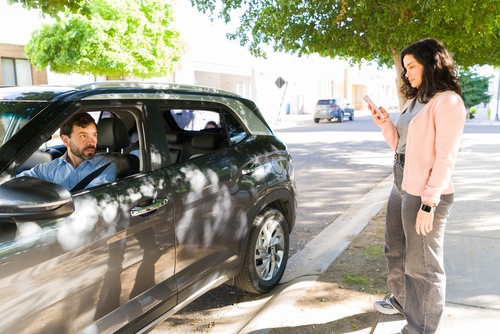
Your Rights When Injured Picking Up Your Rideshare at the Airport
Yes, you can sue if injured at STL Airport rideshare pickup zones, but determining liability requires understanding Missouri’s Transportation Network Company regulations and airport property law. If hurt while waiting for or entering an Uber or Lyft at Lambert-St. Louis International Airport, you’re facing medical bills and questions about responsibility. Designated rideshare pickup areas at STL can become chaotic during peak times, with drivers rushing to pick up passengers, pedestrians navigating between vehicles, and limited visibility creating dangerous conditions.
💡 Pro Tip: Document everything immediately after an injury – take photos of the exact pickup zone location, weather conditions, lighting, and any hazards that contributed to your accident. These details often disappear quickly as traffic moves through.
Embarking on the legal journey after an accident at STL Airport’s rideshare zones can be daunting, but you don’t have to navigate it solo. Halvorsen Klote Davis is here to lend a hand, ensuring your case is handled with professionalism and care. Don’t hesitate to reach out at (314) 451-1314 or contact us to explore your options and make sure you get the compensation you deserve.

Understanding Your Legal Rights Under Missouri’s Rideshare Laws
Missouri’s rideshare regulations, particularly RSMo 387.400 and RSMo 379.1702, establish specific requirements for Transportation Network Companies operating in the state. Effective August 28, 2017, this statute creates important distinctions between traditional taxi services and rideshare platforms. When seeking help from rideshare accident attorneys in St. Louis, understanding these distinctions becomes crucial. The law defines a “prearranged ride” as beginning when the driver accepts your request through the app and ending when you exit the vehicle – this timing matters significantly for insurance coverage and liability.
TNCs like Uber and Lyft are not legally deemed to control their drivers or vehicles under Missouri law, except when specified by written contract. This separation complicates injury claims at airport pickup zones. If a rideshare driver strikes you while rushing to pick up another passenger, or if you slip on unmarked wet pavement while entering their vehicle, multiple parties could share liability – the driver, the TNC, the airport authority, or third-party maintenance companies.
💡 Pro Tip: Save screenshots of your rideshare app showing your driver’s information, pickup location, and ride status at the time of injury – this digital evidence establishes the crucial timeline for determining insurance coverage.
What to Expect: Your Path from Injury to Resolution
The timeline for resolving a rideshare pickup zone injury claim typically unfolds over several months. Missouri’s statute of limitations gives you five years to file a personal injury lawsuit, but waiting weakens your claim as evidence disappears and witnesses forget details. Here’s what to expect:
- Within 24-48 hours: Report the incident to airport security and the rideshare company, and seek immediate medical attention
- First 2 weeks: Gather documentation including medical records, rideshare trip details, witness statements, and document how injuries impact daily life
- 30-60 days: Insurance companies begin investigations – expect calls from adjusters representing the rideshare company, driver’s insurance, and possibly the airport’s carrier
- 3-6 months: If settlement negotiations stall, formal litigation may begin with filing a lawsuit naming all potentially responsible parties
- 6-18 months: Discovery phase where both sides exchange evidence and build their cases
💡 Pro Tip: Missouri follows a pure comparative fault rule, meaning you can recover damages even if you’re partially at fault – but your award gets reduced by your percentage of responsibility. Document any airport hazards or driver negligence that contributed to your injury.
Finding Resolution: How Halvorsen Klote Davis Fights for Airport Rideshare Victims
Pursuing compensation for injuries sustained at STL Airport rideshare pickup zones requires navigating complex jurisdictional issues between state law, airport authority regulations, and corporate insurance policies. Halvorsen Klote Davis understands these overlapping legal frameworks and has the resources to investigate thoroughly. Airport properties often have sovereign immunity limitations, making it critical to identify all potentially liable parties. Working with rideshare accident attorneys in St. Louis who understand Missouri TNC licensing requirements ensures comprehensive pursuit of fair compensation.
Resolution often comes through strategic negotiation rather than trial, but attorneys prepared to litigate send a powerful message to insurers. Rideshare companies maintain different insurance coverage levels depending on whether the driver was logged into the app, waiting for a ride request, or actively transporting a passenger. At airport pickup zones, drivers frequently toggle between these states, creating coverage disputes requiring careful legal analysis.
💡 Pro Tip: Keep a pain journal documenting daily struggles, medical appointments, and life disruptions caused by your injuries – this personal evidence often proves more compelling than medical records alone when negotiating settlements.
Hidden Hazards: Why Airport Rideshare Zones Create Unique Dangers
Airport rideshare pickup areas present dangers not found in typical parking lots. These zones often lack adequate lighting, clear pedestrian pathways, or proper traffic control during busy periods. Drivers unfamiliar with STL’s layout may make sudden stops or aggressive lane changes while searching for passengers. Weather compounds these hazards – rain creates slippery surfaces, while winter ice turns pickup zones into liability minefields.
The Insurance Coverage Puzzle
Missouri’s requirement that TNCs obtain business licenses and maintain specific insurance minimums creates a multi-layered coverage system. Under RSMo 379.1702, TNCs must provide primary automobile liability coverage of at least $1 million per incident when drivers are engaged in prearranged rides. During the matching period (when drivers are available but haven’t accepted a ride), coverage drops to $50,000 per person for bodily injury, with collision and comprehensive coverage contingent on the driver maintaining personal auto insurance. If struck by a rideshare vehicle picking up someone else, or injured due to airport property conditions, determining which coverage tier applies becomes complex, as drivers frequently toggle between these states at pickup zones.
💡 Pro Tip: Request a copy of the official airport incident report separately from any police report – airport security often documents details about lighting, signage, and safety conditions that prove valuable for premises liability claims.
Maximizing Your Compensation: Damages You Might Not Consider
Injuries at rideshare pickup zones often result in damages beyond medical expenses. Lost wages mount quickly, especially for business travelers who miss important meetings. Future medical needs, including physical therapy or corrective surgeries, must be calculated into settlements. Less obvious damages include alternative transportation costs while recovering, home modifications if injuries limit mobility, or psychological counseling for trauma.
When Multiple Parties Share Blame
Airport rideshare accidents frequently involve shared liability among multiple defendants. The rideshare driver might bear primary responsibility, but the airport could share blame for inadequate lighting or confusing signage. The TNC might face liability for insufficient driver screening. Even third parties like snow removal contractors could bear responsibility. Experienced rideshare accident attorneys in St. Louis pursue all available compensation sources, maximizing recovery by holding each negligent party accountable.
💡 Pro Tip: Don’t accept the first settlement offer – initial proposals rarely account for long-term impacts or non-economic damages like pain, suffering, and diminished quality of life that Missouri law allows you to recover.
Frequently Asked Questions
1. What if the rideshare driver claims I was partially at fault for my injuries at the STL pickup zone?
Missouri’s pure comparative fault law allows you to recover damages even if partially responsible, though your compensation gets reduced by your fault percentage. If you’re found 20% at fault, you can still recover 80% of damages. Insurance companies often exaggerate passenger fault to minimize payouts, making it crucial to work with attorneys who can counter these tactics with evidence.
2. How do Missouri transportation network company regulations affect my injury claim?
Missouri’s TNC regulations, including $5,000 annual licensing fees and specific insurance mandates, create a framework that can strengthen your claim. These laws establish that rideshare companies operating at STL must maintain certain coverage levels and meet safety standards. When companies violate these regulations, it can establish negligence supporting your injury claim.
3. Can I sue both the airport and the rideshare company for my pickup zone injuries?
Yes, you can potentially sue multiple parties if they each contributed to your injuries. The airport might face liability for dangerous property conditions like poor lighting, while the rideshare company could be liable for driver negligence. Your attorney will investigate all potential defendants to maximize compensation sources, though sovereign immunity rules may limit claims against the airport authority.
4. What damages can rideshare accident attorneys in St. Louis help me recover?
Beyond medical bills and lost wages, you may recover compensation for future medical needs, pain and suffering, loss of enjoyment of life, and property damage. If injuries prevent returning to your previous work, you might claim lost earning capacity. In cases involving extreme negligence, punitive damages could apply.
5. How long do I have to file a lawsuit for injuries at airport rideshare pickup zones?
Missouri law generally allows five years to file a personal injury lawsuit, but waiting risks losing crucial evidence. Surveillance footage typically gets deleted within 30-90 days, witnesses become harder to locate, and memories fade. Different deadlines may apply for claims against government entities. Consulting with attorneys immediately protects your rights.
Work with a Trusted Rideshare Accidents Lawyer
Navigating the intersection of Missouri rideshare laws, airport regulations, and insurance coverage demands legal guidance from attorneys who understand these complex cases. Your injuries deserve serious attention, not quick settlements that undervalue your suffering. The right legal team investigates thoroughly, identifies all liable parties, and fights for comprehensive compensation. If you’ve been injured at an STL Airport rideshare pickup zone, don’t let insurance companies minimize your claim.
If you’re entangled in the complexities of a rideshare accident at STL Airport, Halvorsen Klote Davis is ready to help you untangle the legal knots. Reach out to us for professional guidance and support, ensuring your quest for rightful compensation is smooth sailing. Give us a ring at (314) 451-1314 or contact us to explore your legal options.