Understanding Why Motorcycle Injury Payouts Fall Short in St. Louis
Key Takeaways: Insurers undervalue road rash claims by treating serious skin injuries as minor scrapes, exploiting Missouri’s pure comparative fault rules to shift blame onto riders, and counting on injured riders not understanding their legal options. Road rash can involve deep tissue damage, infection, permanent scarring, and skin grafts, yet adjusters often downplay severity, question treatment, or argue that gear choices increased harm. Missouri’s fault framework reduces recovery by inflating a rider’s fault percentage, and joint liability rules tied to the 51% threshold give every party reason to fight over allocation. Riders can push back using a statutory time-limited demand under RSMo § 537.058, but strict compliance is required. Filing deadlines under RSMo § 516.120 also shape claim value. The strongest defense against lowball offers is thorough documentation, consistent medical treatment, and timely action.
Insurers often undervalue road rash claims because they treat these injuries as minor, exploit Missouri’s fault rules, and count on riders not knowing their legal options. Road rash may look like a surface scrape, but it can involve deep tissue damage, infection, permanent scarring, and painful skin-graft surgery. When recovering from a St. Louis motorcycle accident, an adjuster’s first offer rarely reflects the true cost of care, lost income, or long-term impact.
If you are facing pressure from an insurer after a motorcycle crash, the team at Halvorsen Klote Davis is ready to help. Call (314) 451-1314 or reach out through our online case review request to discuss your claim.
The Real Reasons Behind Lowball Road Rash Offers
Insurers rely on recurring tactics to keep road rash payouts low, and most turn on how fault and damages are argued. Adjusters may downplay skin injury severity, question whether medical treatment was necessary, or argue a rider contributed to the harm. Missouri’s evolving tort landscape also gives carriers leverage, with lawmakers pursuing reforms aimed at reducing litigation costs and promoting business-friendly policies.
That environment does not mean your claim lacks value. It means the valuation process is shaped by legal arguments rather than your actual condition and medical bills. Recognizing these arguments early helps you respond with documentation instead of frustration.
💡 Pro Tip: Photograph your road rash at every healing stage. A visual timeline is one of the most persuasive tools against insurers who claim the injury was superficial.
How Comparative Fault Shapes a Road Rash From Motorcycle Accident Claim
Missouri applies pure comparative fault, which directly affects how much a rider can recover after road rash from a motorcycle accident. Insurers frequently try to shift blame onto riders to shrink what they owe.
Pure Comparative Fault Explained
Missouri adopted pure comparative fault through case law in Gustafson v. Benda and codified it for products liability under RSMo § 537.765.1. Under this framework, injured riders can generally recover even if partially at fault. The statute allows defendants to plead and prove the plaintiff’s fault as an affirmative defense, with any fault diminishing the awarded damages proportionately but not barring recovery. You can review the text of Missouri’s comparative fault statute for the full framework.
Insurers exploit this mechanism by inflating your assigned fault percentage to reduce settlement amounts while technically acknowledging your right to compensation.
The Protective Gear Argument
A common tactic involves challenging the rider’s choice of protective gear. RSMo § 537.765.3 defines fault narrowly for products liability actions, limiting it to five specific enumerated categories: (1) failure to use the product as reasonably anticipated by the manufacturer; (2) use for an unintended purpose; (3) use with knowledge of a danger and voluntary unreasonable exposure to that danger; (4) unreasonable failure to appreciate the danger involved in use of the product; and (5) failure to undertake the precautions a reasonably careful user of the product would take to protect himself against dangers which he would reasonably appreciate under the same or similar circumstances. Insurers analogize this language to argue that riders who failed to wear jackets, gloves, or long pants should bear higher fault percentages in negligence claims.
Whether such arguments hold weight depends on specific facts, including whether Missouri law required the gear. It is not automatic that gear choices reduce a claim, and riders can present rebutting evidence. This is why documenting crash mechanics and injuries thoroughly matters.
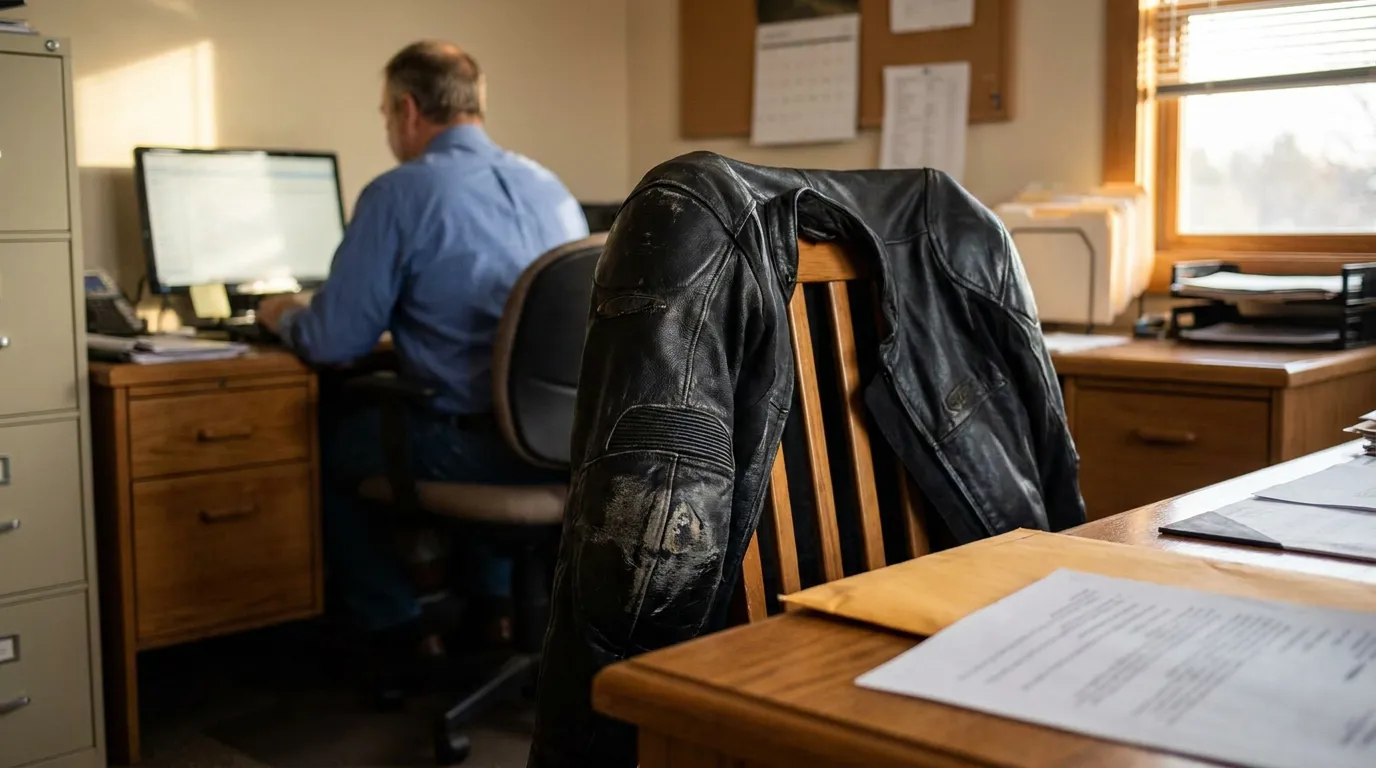
💡 Pro Tip: Keep the gear you wore during the crash. Damaged clothing, a scuffed helmet, or torn gloves can counter claims that you failed to protect yourself.
Fault Percentages, Joint Liability, and Why Carriers Fight Over Them
Because fault percentages drive recovery, insurers battle hard over how blame is divided. Missouri’s joint and several liability rules give these percentages real financial weight. Under RSMo § 537.067.1, defendants found to bear 51% or more of fault are jointly and severally liable for the full judgment. Those below that threshold are generally only severally liable for their own share, so the 51% line gives every party strong incentive to fight over allocation.
Punitive damages follow a different rule under RSMo § 537.067.2, with defendants only severally liable for their attributed percentage. RSMo § 537.067.3 prohibits parties from disclosing to the jury how this section impacts final numbers.
How the 51% Threshold Works in Practice
The 51% line explains why fault fights feel intense. Defendants kept below that threshold avoid joint responsibility and are generally liable only for their percentage share, so insurers have every reason to argue others, including you, share more blame. This is a common thread among the tactics insurers use to reduce motorcycle claims.
| Fault Allocation Concept | Governing Statute | Practical Effect |
|---|---|---|
| Pure comparative fault (products liability) | RSMo § 537.765.1 | Recovery reduced by your fault share, not barred |
| Joint and several liability | RSMo § 537.067.1 | Defendant at 51% or more owes the full judgment |
| Several liability for punitives | RSMo § 537.067.2 | Each defendant pays only its punitive share |
Using a Time-Limited Demand to Push Back on Undervaluation
Missouri gives injured claimants a formal tool to pressure insurers: the statutory time-limited demand. RSMo § 537.058 governs time-limited demands in personal injury, bodily injury, or wrongful death cases, effective August 28, 2017. When used correctly, this device creates real settlement pressure.
A compliant demand carries strict requirements. Under RSMo § 537.058.3, the demand must include supporting documentation, such as health care providers with HIPAA-compliant authorizations and, for lost wages, employer names and authorizations. RSMo § 537.058.5 requires the payment period be at least ten days after the insurer receives a fully executed unconditional release, and RSMo § 537.058.6 provides the section does not apply to demands issued within ninety days of trial. You can read the full requirements of Missouri’s time-limited demand statute.
Strict compliance matters. Under RSMo § 537.058.7, a non-compliant demand shall not be considered a reasonable settlement opportunity and shall not be admissible in any lawsuit alleging extracontractual damages against the insurer. A defective demand can quietly forfeit leverage.
💡 Pro Tip: Before sending any settlement demand, gather every medical record, bill, and wage document. Missing paperwork makes demands non-compliant and forfeits legal force.
Common challenges riders face include:
- Incomplete medical documentation that lets adjusters question injury severity
- Recorded statements twisted into fault admissions
- Accepting quick checks before the full scope of scarring or infection is known
- Missing technical requirements that make demands legally effective
Deadlines That Can Protect or Limit Your Claim
Timing rules can make or break a road rash claim. Missouri’s general statute of limitations under RSMo § 516.120 allows five years for personal injury claims not arising on contract. Personal injury claims like road rash generally fall under RSMo § 516.120(4), the catch-all provision.
Deadlines deserve careful attention rather than assumptions. Courts interpret exceptions such as tolling or discovery narrowly. Civil statutes of limitations are distinct from government administrative or notice-of-claim deadlines, which can be much shorter. Lawmakers periodically adjust these timeframes as well.
💡 Pro Tip: Do not wait until a deadline approaches to seek guidance. Evidence fades, witnesses move, and skin injuries heal, so early documentation strengthens claims far more than last-minute filing.
What Riders Can Do to Protect Full Compensation
You can take concrete steps to counter undervaluation and support fair road rash compensation. Consistent medical treatment, careful record-keeping, and cautious communication with adjusters all matter. Establishing negligence elements, duty, breach, causation, and damages, generally requires organized medical records and often supporting testimony. Guidance from a St. Louis firm that handles motorcycle accident cases in Missouri can help you build that record and respond to insurer arguments.
Every claim is different, and results depend on the facts. What is consistent is that informed riders tend to be harder to lowball than uninformed ones.
Frequently Asked Questions
1. Is road rash considered a serious injury under Missouri law?
Missouri law does not assign a single severity label to road rash. Its value depends on medical evidence, including infection, scarring, nerve damage, and surgery need. Serious road rash can support substantial compensation when properly documented.
2. Can I still recover if the insurer says I share fault?
Generally, yes. Missouri follows pure comparative fault, so your recovery is reduced by your assigned share rather than eliminated. The party asserting your fault bears the burden of proving it.
3. How long do I have to file a road rash injury claim?
Most personal injury lawsuits fall under RSMo § 516.120, which generally provides five years from the injury date. Exceptions are interpreted narrowly, and administrative deadlines can differ, so confirm your specific deadline promptly.
4. Does failing to wear protective gear ruin my claim?
Not necessarily. Insurers may analogize to RSMo § 537.765.3, but that definition governs products liability actions, and whether gear choices affect negligence claims is fact-dependent. Evidence about the crash and your injuries can rebut that argument.
5. What makes a settlement demand legally effective?
Under RSMo § 537.058, a compliant time-limited demand must include specific documentation and timing terms. Non-compliant demands may be inadmissible in later bad-faith suits, so precision matters.
Moving Forward After an Undervalued Road Rash Claim
Insurers undervalue road rash claims by minimizing the injury, leveraging comparative fault, and hoping riders overlook protective statutes. Missouri’s fault rules, joint liability thresholds, time-limited demand procedures, and filing deadlines all shape claim value and handling. When you understand these rules, you are better positioned to challenge lowball offers and pursue warranted recovery. Because every case turns on its own facts, careful documentation and timely action remain your strongest allies.
If an insurer is treating your injuries as an afterthought, the attorneys at Halvorsen Klote Davis are prepared to review your case and stand up for your rights. Call (314) 451-1314 today or send us the details through our confidential contact form to take the next step toward full and fair compensation.